Room 2 · Reinvention

Marvel Age Expansion

1961–1970s

This room treats the Silver Age as Marvel's decisive reinvention: a shared universe, flawed heroes, and creators who made personality part of the brand.

Marvel becomes a system here. The Fantastic Four, Spider-Man, the Avengers, and the X-Men turn isolated heroes into a connected narrative engine.

Curatorial claim

This is where Marvel becomes a system, not just a publisher.

What changes here

The room emphasizes how relatability, ensemble storytelling, and creator voice became Marvel's real differentiators.

Must-see issues

Certain publications act like exhibit magnets.
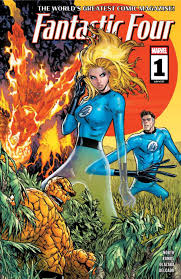
Illustrated museum display of Fantastic Four number 1
Fantastic Four #1 · The reset object shows Marvel building a connected world and a new tone.
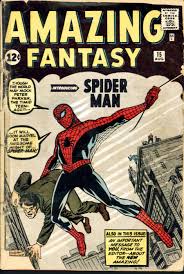
Illustrated museum display of Amazing Fantasy number 15
Amazing Fantasy #15 · The object shows private anxiety and public heroism belonging together.

1961 · Shared-universe ignition

Fantastic Four #1

This issue marks the tonal and structural reset that begins Marvel's modern voice.

1962 · Relatability breakthrough

Amazing Fantasy #15

Spider-Man makes teenage anxiety, guilt, and urban life central to superhero storytelling.

Creative cast

Marvel's middle room depends on creator voice and visual authorship.

Writer-editor and public voice · Marvel Age

Stan Lee

Helped position Marvel as witty, self-aware, and emotionally human in the 1960s.

Artist and co-architect · Golden + Marvel Age

Jack Kirby

Co-created the Fantastic Four, the X-Men, and much of Marvel's visual language.

Artist and storyteller · Marvel Age

Steve Ditko

Gave Spider-Man and Doctor Strange their defining visual and psychological tension.

Final room

Crossover and Cinematic Age

Move into the era where crossover logic and cinematic adaptation turn Marvel into a global exhibition of scale, continuity, and media power.