Companion room · Publication lineage
Key issues and release moments
This surface turns Marvel history into a sequence of proof objects so the main chronology stays focused and interpretive.
Read this room when you want decisive publications instead of broad summaries. Each artifact matters because it changes what Marvel can become next.
Artifact logic
A reading map is for handoffs, not just famous titles.
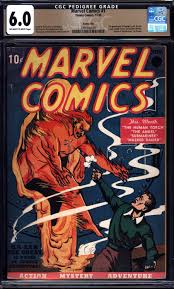
Marvel Comics #1
The first issue established the publisher's early identity through Namor and the original Human Torch.
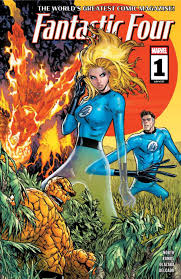
Fantastic Four #1
This issue marks the tonal and structural reset that begins Marvel's modern voice.
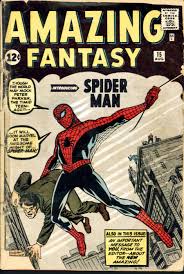
Amazing Fantasy #15
Spider-Man makes teenage anxiety, guilt, and urban life central to superhero storytelling.
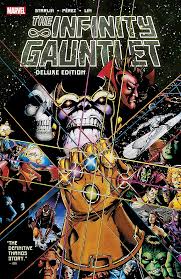
Secret Wars / Infinity Gauntlet / Iron Man
Together these works show Marvel moving from event comics to global cinematic infrastructure.
Return point
Go back to the chronology with sharper evidence in view.
The lineage map works best when it strengthens the rooms with visible proof instead of replacing them.