Companion room · People and studios
Who carries the Marvel story
This room grounds the exhibition in creators, publishers, and studio systems so Marvel does not feel like a sequence of anonymous icons.
Portrait wall
Put faces on the creators who built the collection.



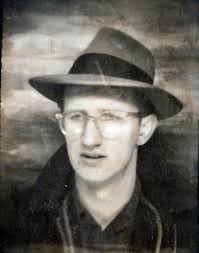
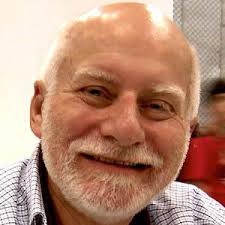
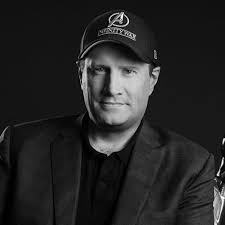
Creators
Grouped figures, not a flat roster.
Martin Goodman
Founded Timely Comics and created the commercial conditions for Marvel's earliest identity.
Jack Kirby
Co-created Captain America, the Fantastic Four, the X-Men, and much of Marvel's visual language.
Stan Lee
Helped position Marvel as witty, self-aware, and emotionally human in the 1960s.
Steve Ditko
Gave Spider-Man and Doctor Strange their defining visual and psychological tension.
Chris Claremont
Expanded the X-Men into a long-form emotional and political saga.
Kevin Feige
Oversaw the MCU as a connected franchise system built from comics logic.
Institutions
Studios turn creative identity into scale.
Timely Comics
Marvel begins here as a pulp-era publisher shaped by wartime readership and fast-moving print economics.
Marvel Comics
The 1960s editorial system links heroes into a shared universe and makes personality part of superhero myth.
Marvel Studios
Marvel Studios converts serialized comics logic into blockbuster cinematic release strategy.
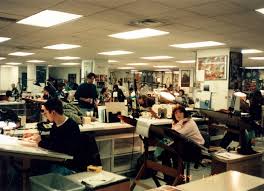
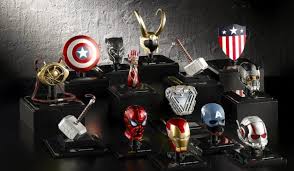
Studio objects
Editorial culture and cinematic infrastructure can be shown as things, not abstractions.
Return point
Go back to the rooms once the cast is visible.
Chronology becomes more memorable when visitors can attach each era to named creators, editors, and institutions.